The best watering schedule for roses during hot summer months
Roses are among the most popular garden plants, known for their beauty and fragrance. During the hot summer months, maintaining adequate moisture becomes a key factor in supporting their health and bloom quality. The relationship between water supply and rose well-being is influenced by several variables, including temperature, humidity, soil composition, and the plant’s stage of growth.
Understanding how water moves through the soil and interacts with the root system helps gardeners make informed decisions about timing and quantity. While roses benefit from consistent moisture, excessive watering can lead to problems such as root rot or fungal diseases. This article explores common approaches to watering roses during summer heat, focusing on the practice of morning watering, the effect of different soil types, and observable signs that indicate when a rose may be experiencing drought stress.
Rather than a strict one-size-fits-all schedule, successful watering involves observing the plant and its environment. By considering the specific conditions of a garden, it becomes possible to adjust routines in a way that supports the rose’s natural processes.
Morning Watering and Its Benefits
Watering in the early morning is a common recommendation for many garden plants, including roses. During this time, temperatures are cooler and wind speeds are typically lower, which reduces the rate of evaporation. As a result, more water reaches the root zone and remains available for absorption by the plant before the sun becomes intense.
When water is applied in the morning, foliage has the opportunity to dry during the day. This drying period can help reduce the likelihood of fungal infections, as many pathogens require prolonged leaf wetness to develop. In contrast, evening watering can leave leaves wet overnight, creating conditions that may encourage disease.
The timing of morning watering also aligns with the plant’s natural physiological rhythms. Roses begin transpiration and photosynthesis as daylight increases, and having moisture available in the soil during these active periods supports efficient nutrient uptake and metabolic processes. While each garden’s specific microclimate may influence the ideal hour, aiming to water between early dawn and mid-morning is generally considered a practical approach.
Soil Type and Water Retention
The composition of the soil plays a significant role in how water behaves after application. Sandy soils, which consist of larger particles, tend to drain quickly and may require more frequent watering to maintain consistent moisture. In such soils, water may move past the root zone before the plant can fully absorb it, particularly during hot weather when evaporation is high.
Clay soils, on the other hand, hold water more tightly due to their fine particle structure. While they retain moisture for longer periods, they can also become compacted, leading to poor drainage and potential waterlogging. In clay conditions, it is important to monitor soil moisture levels closely to avoid overwatering, as excess water can suffocate roots and promote disease.
Loamy soils, which contain a balanced mixture of sand, silt, and clay, typically offer the best drainage and moisture-holding capacity. Regardless of soil type, adding organic matter such as compost can improve structure and enhance water retention in sandy soils or drainage in clay soils. Observing how water behaves after irrigation—whether it pools on the surface or disappears quickly—provides useful clues about the soil’s characteristics.
Recognizing Signs of Drought Stress
Roses exhibit several visible changes when they are not receiving enough water. One of the earliest indicators is a slight wilting of the leaves, particularly during the hottest part of the day. While some wilting in intense heat can be temporary, persistent wilting that does not recover by evening suggests a need for more consistent moisture.
Leaf edges may begin to curl or become crispy, and the overall foliage might take on a dull or discolored appearance. In some cases, the plant may drop lower leaves as a way to reduce water loss. Buds that fail to open fully or flowers that appear smaller than usual can also indicate insufficient water availability during critical growth stages.
Checking the soil moisture by feeling a few inches below the surface can help confirm whether water is lacking. Dry, crumbly soil that does not hold together when squeezed is a sign that irrigation may be needed. It is worth noting that symptoms of drought stress can sometimes resemble those of overwatering, so evaluating both soil conditions and plant appearance together provides a more reliable assessment.
Watering Techniques and Tools
The method of applying water can affect how efficiently it reaches the root system. Drip irrigation systems deliver water directly to the soil near the base of the plant, minimizing evaporation and reducing the amount of water lost to wind or runoff. Soaker hoses offer a similar benefit, slowly releasing water along their length and allowing it to soak into the ground.
Hand watering with a hose or watering can allows for targeted application, particularly useful for checking on individual plants. However, overhead sprinklers can wet foliage extensively, which may contribute to leaf disease if used during times when leaves cannot dry quickly. If overhead watering is employed, doing so in the morning gives leaves time to dry before nightfall.
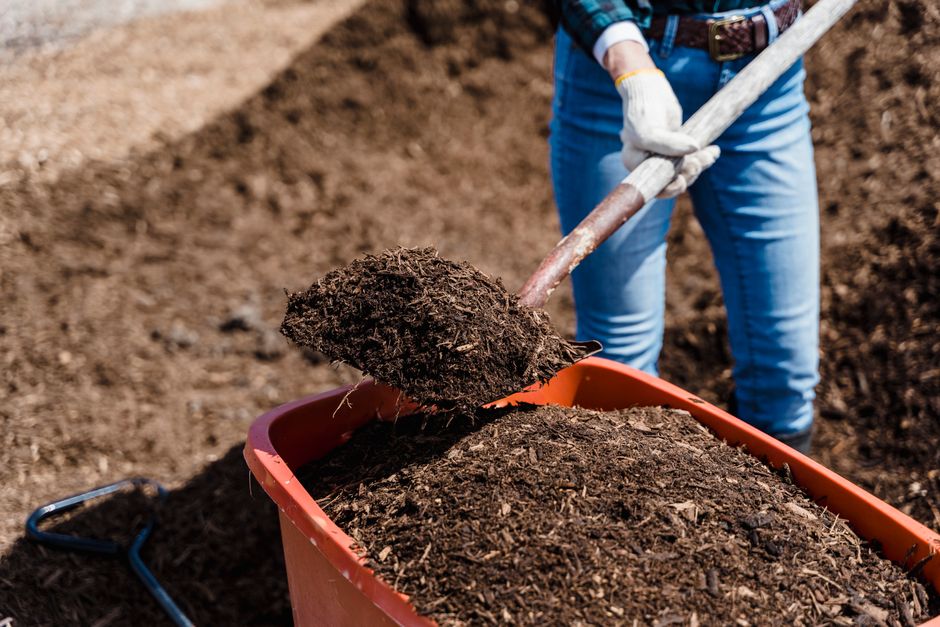
Mulching around the base of roses with organic materials such as wood chips, straw, or shredded bark can help moderate soil temperature and reduce evaporation. A layer of mulch also encourages beneficial soil organisms and gradually decomposes, adding nutrients. When using mulch, it is advisable to keep it a few inches away from the stem to prevent moisture buildup against the bark.
Adjusting for Heat Waves and Seasonal Changes
During prolonged periods of extreme heat, rose plants may require adjustments to their watering routine. Higher temperatures increase the rate of evapotranspiration, meaning that both the soil and the plant lose water more quickly. In such conditions, checking soil moisture more frequently can help determine whether additional water is needed.
However, it is also important to avoid overcompensating by watering too heavily at once. Applying moderate amounts of water more frequently can be more effective than a single deep watering that may run off or saturate the soil excessively. The goal is to maintain a consistent level of moisture in the root zone without causing waterlogging.
As summer progresses and temperatures become more moderate in late summer or early fall, watering frequency can be reduced gradually. Observing the plant’s response and the weather forecast allows for a dynamic approach rather than a fixed schedule. Each garden’s specific conditions—including sun exposure, wind patterns, and proximity to hard surfaces—will influence how quickly moisture is lost.