Five easy steps to plant a beautiful flower bed in spring
Spring is a season when many gardeners begin planning new flower beds. Preparing the ground and selecting appropriate plants are foundational steps that influence how the bed develops over the growing season. This guide outlines a sequence of considerations that can help create a visually balanced and biologically supportive environment for flowers.
The process involves understanding soil composition, light exposure, and the growth habits of different plant species. By following a structured approach, gardeners can reduce the likelihood of common issues such as overcrowding or poor drainage. Each step builds upon the previous one, leading to a cohesive planting arrangement.
Whether working with a small border or a larger garden area, the principles remain similar. Attention to detail during the early stages often contributes to a more resilient and attractive flower bed as the season progresses. Local garden centers such as Bloom Haven offer resources that may assist in these preparations.
Step 1: Prepare the Soil
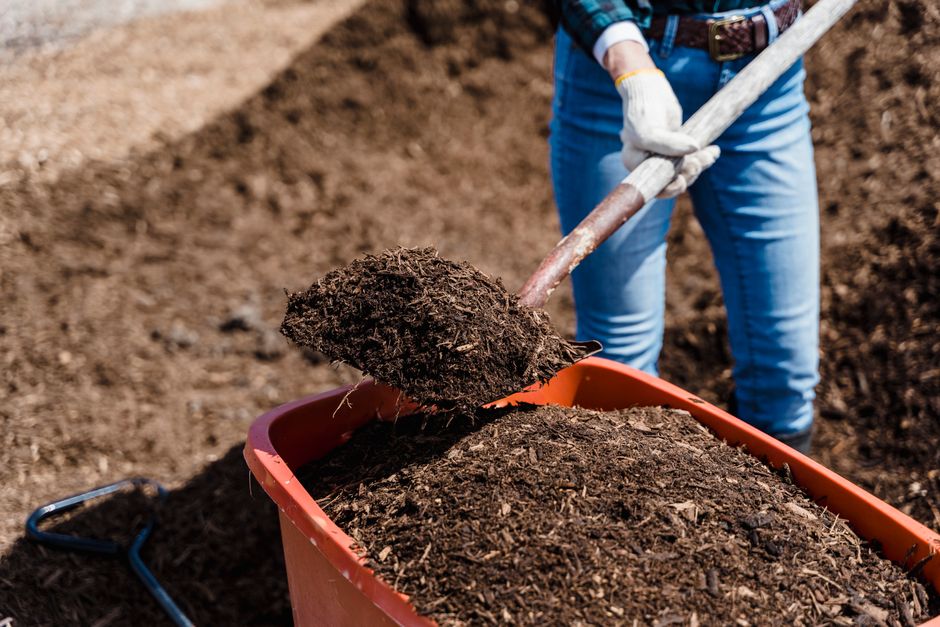
The condition of the soil directly affects how well plants establish roots and access nutrients. Before planting, it is useful to assess the soil’s texture, drainage, and pH level. Simple test kits available at many nurseries can provide a baseline understanding. If the soil is too compacted, adding organic matter such as compost or aged manure can improve aeration and water retention.
Removing existing weeds and debris helps reduce competition for resources. Turning the soil to a depth of about ten to twelve inches allows roots to penetrate more easily. For beds that receive heavy rainfall, incorporating coarse sand or perlite may improve drainage. Adjustments made at this stage create a foundation that can support a wide range of flowering plants.
Step 2: Choose the Right Plants
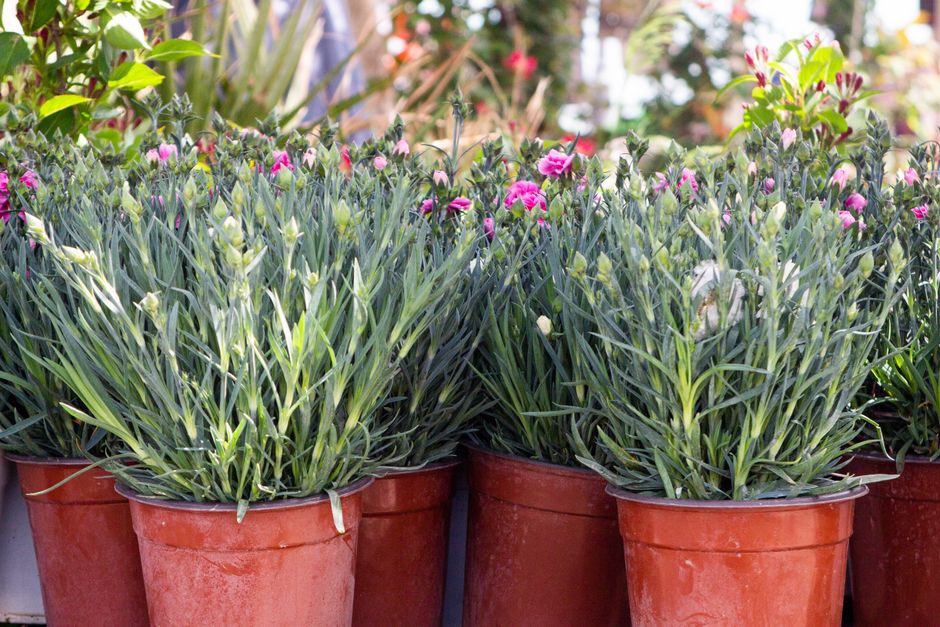
Successful flower beds depend on selecting species suited to the local climate and the specific conditions of the garden site. Factors such as sunlight exposure, average temperatures, and soil moisture levels all play a role. Perennials often provide long-term structure, while annuals can fill gaps with seasonal color.
When evaluating plant options, consider the following aspects:
- Light requirements: Full sun, partial shade, or full shade will determine which plants can thrive in each part of the bed.
- Mature size: The eventual height and spread of each plant influence how much space it will need.
- Bloom time: Combining early, mid, and late-season bloomers creates continuous visual interest.
- Color palette: Harmonious or contrasting colors can be chosen depending on the desired aesthetic effect.
Many local suppliers, including Bloom Haven, carry varieties that are adapted to the region. Consulting with knowledgeable staff can provide additional insight into which plants perform well under local conditions.
Step 3: Plan Your Layout
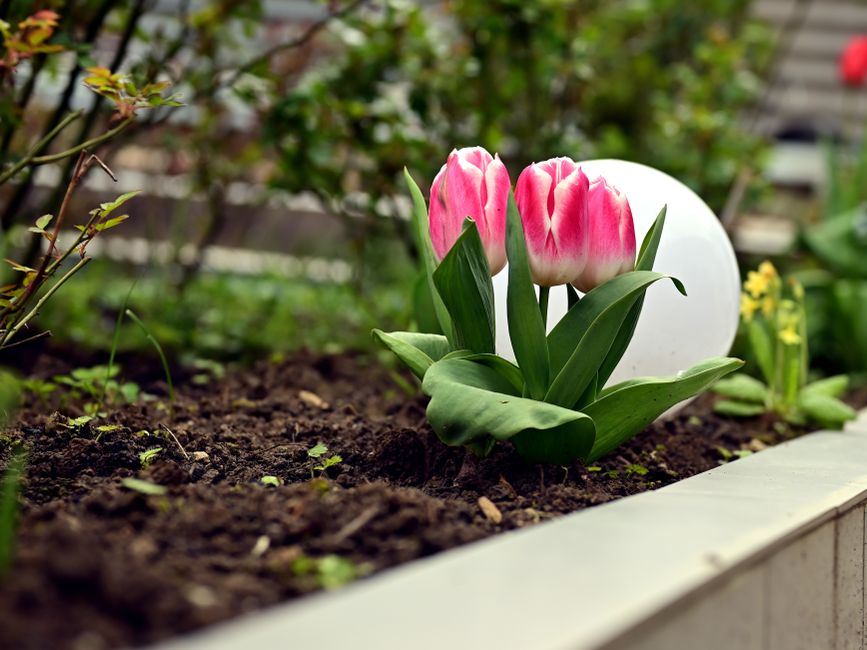
Arranging plants before placing them in the ground allows for adjustments to spacing and visual balance. A common method is to position taller plants toward the back of the bed and shorter ones toward the front, ensuring each plant receives adequate light. Repetition of certain species or colors can create a sense of rhythm.
Design principles that may guide the layout include:
- Layering: Group plants with similar water and sun needs together.
- Focal points: A specimen plant or a cluster of bold flowers can draw the eye.
- Spacing: Marking the intended location with labels or temporary stakes helps visualize the final arrangement.
Taking time to step back and observe the layout from different angles can reveal potential issues, such as overcrowding or gaps that may need filling. This planning phase reduces the need for major adjustments after planting.
Step 4: Plant with Proper Depth and Spacing
Once the layout is finalized, the actual planting begins. Digging holes at the correct depth is critical because roots need enough room to spread without being buried too deeply. As a general guideline, the top of the root ball should be level with the surrounding soil surface. For seedlings or transplants, following the depth recommendations on the plant label is advisable.
Spacing should account for the mature width of each plant. If plants are placed too close together, they may compete for light, water, and nutrients. Adequate spacing also promotes air circulation, which can reduce the incidence of fungal diseases. After placing each plant in its hole, backfill with soil and gently firm the area around the base to eliminate air pockets.
Watering each plant immediately after planting helps settle the soil and encourages root-to-soil contact. This initial hydration is a supportive step, though subsequent watering schedules will depend on rainfall and temperature patterns.
Step 5: Water and Mulch After Planting
Applying a layer of mulch around the newly planted flowers helps regulate soil temperature and retain moisture. Organic mulches such as shredded bark, straw, or compost are commonly used. A thickness of two to three inches is generally sufficient, but the mulch should not touch the stems or crowns of the plants, as this can lead to rot.
Establishing a consistent watering routine during the first few weeks can support root development. The frequency and amount of water needed will vary based on weather conditions and soil type. Checking the soil moisture a few inches below the surface provides a more accurate indication than relying solely on surface appearance.
Over time, the flower bed will require ongoing care, including weeding, deadheading, and occasional fertilizing. Each season may present different challenges, but the initial steps outlined here create a solid foundation. By approaching the process methodically, gardeners can enjoy a flower bed that reflects careful planning and attention to detail.